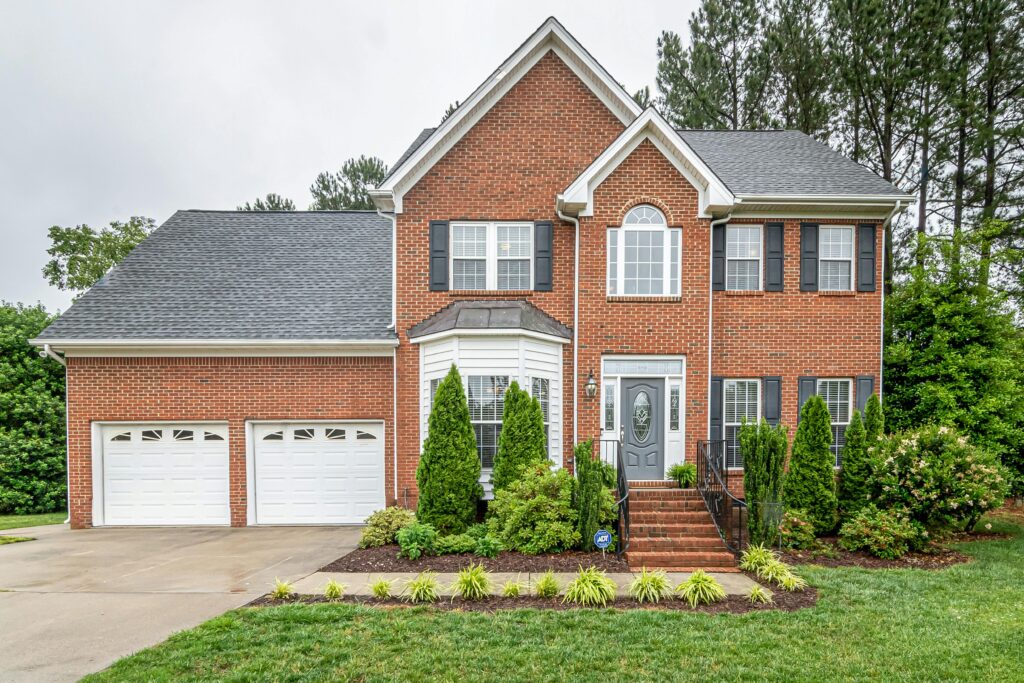
One of Canada’s most common ways to make extra income is to rent out your home. Canadian cities are great places for real estate investors because the economy is solid, the laws are strong, and the number of people living in cities is growing. It is recommended that you consider investing in real estate in Canada to make steady rental income. This article will teach you everything you need to know, from picking the right home to dealing with taxes and tenants. Let us look at ways to build long term financial freedom and rental income from property in Canada.
Understanding Rental Income in Canada
When people rent your home and pay you rent, that’s called rental income. Among these are:
Properties for living in (houses, condos, flats)
Rental homes for vacations (Airbnb or summer homes)
Commercial buildings include shops and offices.
It is taxed in Canada, and you must report your rental income as part of your yearly income. There are, however, several legal deductions and methods you can use to lower your tax bill.
Why Invest in Canadian Property?
People think Canada is one of the best places to buy real estate. Here are some important reasons:
The economy is stable, and the country has a strong banking system and steady progress.
High demand: The number of people living in and wanting to rent in big cities like Toronto, Vancouver, Calgary, and Montreal is rising.
Real estate prices keep increasing, which is good for buyers because they get better returns over time.
Legal protection: Canadian law makes the rights of landlords and tenants clear.
Because of these pros, investing in real estate in Canada is a safe way to get rich and make money every month.
Choosing the Right City for Investment
Study the best cities and neighborhoods for rental income before you buy a house. Here are some of the best places in Canada to invest in rental properties:
Many people want to rent in Toronto, Ontario, but prices are increasing.
Vancouver, British Columbia – Ideal for high-end and vacation homes
In Calgary, Alberta, home prices are low and job markets are rising.
Ottawa, Ontario: Communities that care about families and stable government jobs
Halifax, Nova Scotia: Lower startup costs and more people wanting to rent
Before picking a place to live, you should always look at the job market, population growth, rental demand, and public facilities.
Residential vs Commercial Property: Which Is Better?
In Canada, there are two main types of rental homes:
Real estate for living:
Simpler to handle
Consistent demand from tenants
Lower costs for upkeep
Perfect for people who are new to investing
Property for business use:
More possible rental income
Leases that last longer
Needs more money up front
Best for buyers with experience
For most first-time investors, renting out homes is a better and easier way to start.
Financing Your Rental Property
A 20% or more down payment is usually needed to buy a rental property. Some ways to get money are:
Mortgage for regular people
Line of credit for home equity (HELOC)
Banks and lenders
You will need proof of income, good credit, and a clear plan for how much renting income you expect.
Tip: Use mortgage tools to get an idea of how much your monthly payments will be and then plan your budget around that.
Legal Requirements and Regulations
In Canada, you must follow these rules if you want to properly earn rental income:
Laws about zoning: Make sure the house is zoned for renters.
Licenses for renting out: Some cities need owner licenses.
Agreements to rent must follow the rules in your province.
Fair housing rules apply to tenant screening.
Always review the rules about landlords and tenants in your area, and stay current to avoid legal problems.
Finding the Right Property
Look for rental homes that can bring in a lot of money and don’t cost much to maintain. Think about:
Location and safety in the area
Being close to schools, public transportation, and other services
The state of the building
How many bedrooms and bathrooms does it have
Possible value growth in the future
The best thing you can do is work with a real estate agent with investment home experience.
Renovating and Preparing Your Property for Rent
A property that is well taken care of will get better tenants and higher pay. These steps will help you get your house ready:
Deep cleaning and small fixes
New carpet and fresh paint
Putting in tools that use less energy
Making sure the electricity and plumbing systems work right
Consider adding modern features like smart locks or a washer/dryer set to raise the value.
Marketing Your Rental Property
To get good tenants, you need to sell your property well. How to do it:
You can put your house on sites like Facebook Marketplace, Realtor.ca, Kijiji, and Craigslist.
Use pictures and words of good quality.
Draw attention to amenities and nearby sites.
Do a study on the market and set competitive rent prices.
You could also hire a property manager or real estate agent to help you find renters and check them out.
Screening Tenants Carefully
Finding the right renter is important to make steady rental income. Check these things:
Credit score and history with money
Verification of employment and income
Rental history and names of links
Check for criminal records (if allowed)
Always do an official interview and use a lease agreement you can’t break.
Collecting Rent and Managing the Property
Collecting rent and keeping an eye on the property is very important. You may:
To receive rent, use websites like RentMoola and Plooto.
Hire a company to take care of your home.
Take charge of repairs and care.
Do regular inspections (based on the law notice requirements)
Good communication with renters helps keep them and makes relationships better.
Understanding Taxes on Rental Income
Rental income is taxed in Canada. Important points are:
On your tax return (T776 form), you should list all of your rental income.
You can write off interest on your mortgage, property taxes, repairs, insurance, and ads.
Allow some things, like machines, to lose value over time (capital cost allowance).
Work with an accountant to ensure you follow the rules and get the most out of your taxes.
Airbnb and Short Term Rentals
Short-term renters like Airbnb can bring in more money, but they also come with more duties:
Need to be cleaned and emptied more often.
Conditions are often set or banned in some places.
Must follow tax rules and collect GST/HST if needed
Check the local and provincial rules before putting up a short-term rental property.
Growing Your Rental Portfolio
You can add more rental properties to your collection once you’re good at managing one. Some strategies are:
Moving money around to get more capital
Working together with other partners
Looking into multi-unit buildings
Changing things up in different towns or provinces
Smartly reinvest your gains to build long-term wealth and make more rental income.
Common Mistakes to Avoid
Do not make these usual mistakes if you want to keep your rental income:
Paying too much for a house without checking the cash flow
Not carefully checking out tenants
Not doing fixes and maintenance.
Breaking rental rules
Not setting aside money for situations or open positions.
Learning from other people’s mistakes can save a lot of money.
Conclusion
Having rental land in Canada and making money from it is a great way to become financially independent. You can have a steady income and long-term wealth growth if you buy the right property, plan well, and run your business well. Follow these steps to start building your real estate business in Canada and start making steady rental income, no matter how much experience you have as an investor. Make smart choices, and you’ll get what you want.