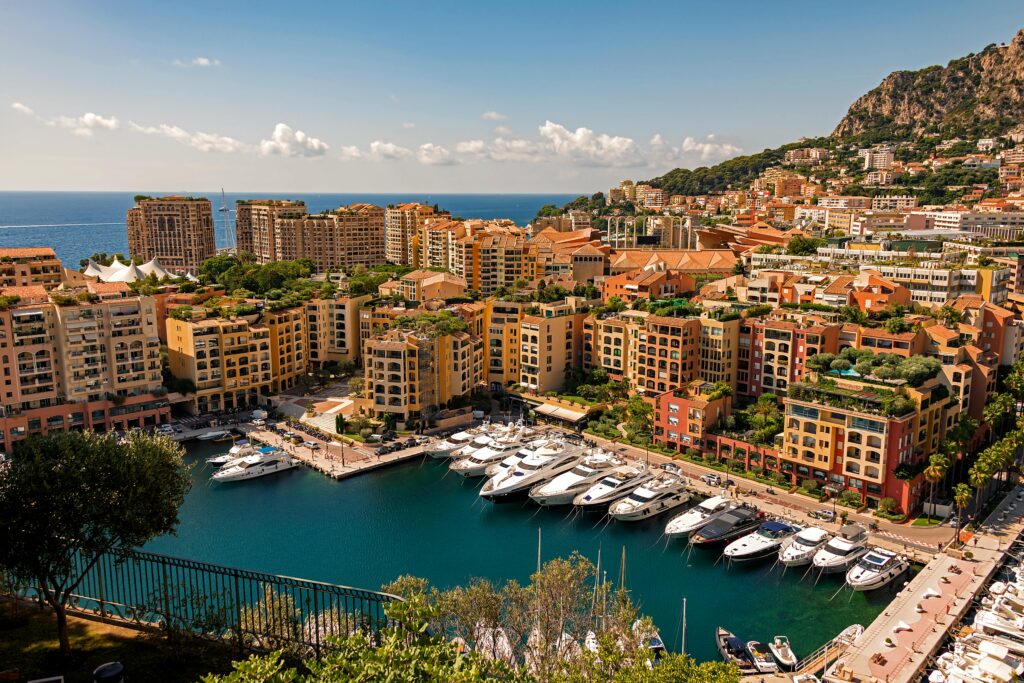
People worldwide know Hong Kong for its beautiful skyline, swift economy, and famous real estate market. Many people are wondering, though, if it’s still worth it to buy property in Hong Kong now that the economy is so unstable. People from other countries and people who live in the area who are thinking about long term worth, rising interest rates, and changing government policies should ask this question. In this article, we will closely examine the current real estate market in Hong Kong. We will discuss the advantages and disadvantages, market trends, law requirements, and experts’ thoughts. Are you an American investor or looking for a new home in Asia?

Overview of the Hong Kong Property Market
A History of Sky High Prices
Hong Kong has been one of the most expensive places in the world to buy a home for many years. A small room in the middle of the city can cost millions of Hong Kong dollars. Prices for homes have increased because there isn’t enough land, people want to buy homes, and the economy is growing quickly.
New Market Changes and Trends
But things are beginning to change. Since 2019, the real estate market has had to deal with several problems, including political unrest, COVID-19, and buyers’ changing tastes.
Policies and actions by the government
The Hong Kong government has taken steps in the last few years to keep the housing market under control. This includes stamp duties, limits on purchases for people who don’t live there, and housing assistance for people who do live there. The market is harder to understand now because of these rules, especially for buyers from other countries.
Reasons to Consider Buying Property in Hong Kong
Strong Long Term Investment Potential
Even though there have been drops in the short term, Hong Kong real estate has generally had strong returns over time. People are still very interested in living in Central, Mid Levels, and Tsim Sha Tsui. You may see good capital growth if you are willing to hold on to your home for a few years.
Property rights and a stable legal system
The laws in Hong Kong are different from those in mainland China. This is called “One Country, Two Systems.” This system ensures that buying and selling property is fair and clear. Under British common law, property rights are guaranteed, and contracts can be enforced.
Places with high rental yields
Making money from rentals is another perk. There is a lot of demand for housing, especially in business areas, so that landlords can make a lot of money each month. People who work for companies, live abroad, or are students often pay higher rents for homes in good areas.
Risks and Challenges of Buying Property in Hong Kong
Political Uncertainty and Global Attention
Hong Kong’s politics have changed a lot in the past few years. People from other countries worry about the country’s national security rules and growing ties with mainland China. These changes may affect buyers’ confidence and the market’s success.
High prices for homes and big down payments
You must spend much money to buy a house in Hong Kong. Real estate is still expensive, even though prices are going down. Banks usually want down payments of at least 30%, which can stop many people from buying.
Mortgage Stress and Interest Rates
As interest rates rise worldwide, so do the costs of getting money in Hong Kong. It’s harder for people to get loans when mortgage rates are high because they mean bigger monthly payments. This could make it take longer for people to buy homes and lower prices.
Who Should Buy Property in Hong Kong?
Long-Term Investors with Strong Finances
Hong Kong can still be a good market if you know much about money and want to make money over the long run. Long-term capital growth and rental income may be good for investors who are not easily upset by short term changes.
Locals who want to settle down
It can be stable and proud to own a home in Hong Kong for people who plan to stay there for a long time. Qualified people can buy homes at lower prices through government programs like the Home Ownership Scheme (HOS).
Buyers from outside of Asia are looking for exposure.
Hong Kong could be a good place for foreign buyers who want to enter the Asian real estate market. With its world class infrastructure, clear laws, and business contacts between countries, it acts as a financial link between the East and the West.
Locations in Hong Kong Worth Considering
Hong Kong Island – Central, Admiralty, and Mid-Levels
These parts of the city are some of the most expensive and famous in the whole town. They are home to luxury apartments, government buildings, and companies with offices worldwide. The prices of homes here are high, but the values often stay high.
Tsim Sha Tsui and Mong Kok are in Kowloon.
In these areas, you can find both homes and businesses. In Tsim Sha Tsui, you can see the bay and find lots of shops. In Mong Kok, you can find street markets and a lively culture.
New Territories – Sha Tin, Tseung Kwan O, and Yuen Long
The New Territories offer cheaper housing options with bigger homes and more green space. With the new MTR lines and infrastructure projects, more young families and first-time buyers are entering these areas.
Legal Requirements for Buying Property in Hong Kong
Buying as a Foreigner: What You Need to Know
Foreigners don’t have to follow many rules to buy property in Hong Kong. They do have to pay extra taxes and stamp fees, though. For instance, the Buyer’s Stamp Duty (BSD) adds 15% to the price of a home for people who don’t live there permanently.
Mortgage Options and Loan-to-Value Ratios
Locals and visitors can get home loans from banks in Hong Kong. But the Loan-to-Value (LTV) number isn’t always as it seems. Most banks will lend up to 50% to people who don’t live in the country and between 60% and 70% to people who do, based on their income and credit score.
Another tax is stamp duty.
People who buy a house must also pay Ad Valorem Stamp Duty (AVD), a tax that depends on how much the house is worth and can be anywhere from 1.5% to 8.5%. Special Stamp Duty (SSD) is also due if you sell the home within 36 months of buying it.
Economic Factors Affecting the Property Market
Interest Rates and Inflation Trends
Many homes feel the pinch as interest rates rise due to rising prices worldwide. As rates go up, people can’t bank as much, which can cause demand to drop and home prices to drop.
Job Market and Employment Rates
A stable job market is important for a healthy real estate market. After the pandemic, Hong Kong’s job market is getting better, especially in the tech and banking fields. But if unemployment increases again, fewer people can buy a house.
Mainland China’s Impact on the Economy
Hong Kong’s economy is linked to China’s economy. China’s policy changes or economic slowdown can directly affect how investors feel in Hong Kong. This link is like a sword: it cuts both ways, presenting chance and danger.
Is Now a Good Time to Buy?
Falling Prices May Offer Entry Opportunities
Prices have decreased in many parts of Hong Kong in the past two years. There may not be many chances like this to get into the market at a lower price if you have cash on hand or stable financing.
Uncertainty opens up bargaining opportunities
Uncertainty often keeps people from buying things they don’t need, which can make room for serious investment. Sellers might be more open to negotiations, and homes that seemed out of reach before might now be within your budget.
The Market May Rebound Long-Term
The market will eventually improve because few items are on the market, and buyers from mainland China and other places are still interested in buying. People who buy now might make more money in the future.
Tips for Buying Property in Hong Kong
Work with a Licensed Real Estate Agent
A real estate agent can help you find ads, complete paperwork, and negotiate deals. To ensure good behavior and honesty, look for estate agents licensed by the Estate Agents Authority (EAA).
Get Pre-Approval for a Mortgage
Get pre-approved for a mortgage before you start looking for a house. This will help you make a budget that you can stick to and act quickly when you find the right home. Loan deals from banks like HSBC, Standard Chartered, and Bank of China are very good.
Research Neighborhood Trends and Future Plans
Check to see what new buildings, school zones, and infrastructure projects are coming up in the area. Over time, places that get new MTR stops or shopping malls become more valuable.
Alternatives to Buying Property
Renting vs. Buying in Hong Kong
Renting might be a better choice if you’re not sure about staying in Hong Kong for a long time. Renting gives you more freedom and keeps you from paying much money up front for legal fees and stamp tax.
Buying a House Abroad Instead
Other Asian towns, such as Bangkok, Kuala Lumpur, and Taipei, are now seen as more affordable by some investors. These towns have growing markets with lower costs to get into them and the same urban feel.
Putting money into property funds or REITs
Hong Kong Real Estate Investment Trusts (REITs) are a good choice if you want to invest without having to do much. With these funds, you can put money into commercial property and make returns without actually owning the property.
Conclusion
Your goals, how comfortable you are with risk, and your money. Even though prices have gone down and there are still political worries, Hong Kong’s real estate market is still worth investing in for some people in the long run. Buying a home in Hong Kong might still be good for long term investors, permanent residents, and people who want a steady rental income. On the other hand, short-term sellers and foreign investors need to be ready for high costs up front and a market that is hard to predict.